Line and fill. Choose them together.
Every embroidered design is a line and a fill: how the outline is drawn, and how the area is covered. Most designs get a good fill and a lazy line, or a strong line and no fill at all.
Pair them on purpose and the same artwork changes character.

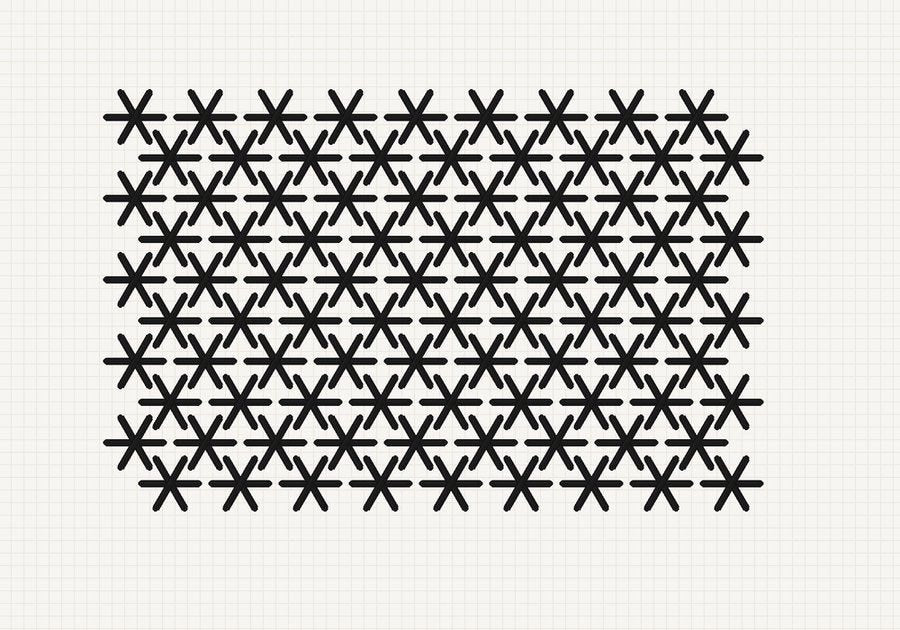
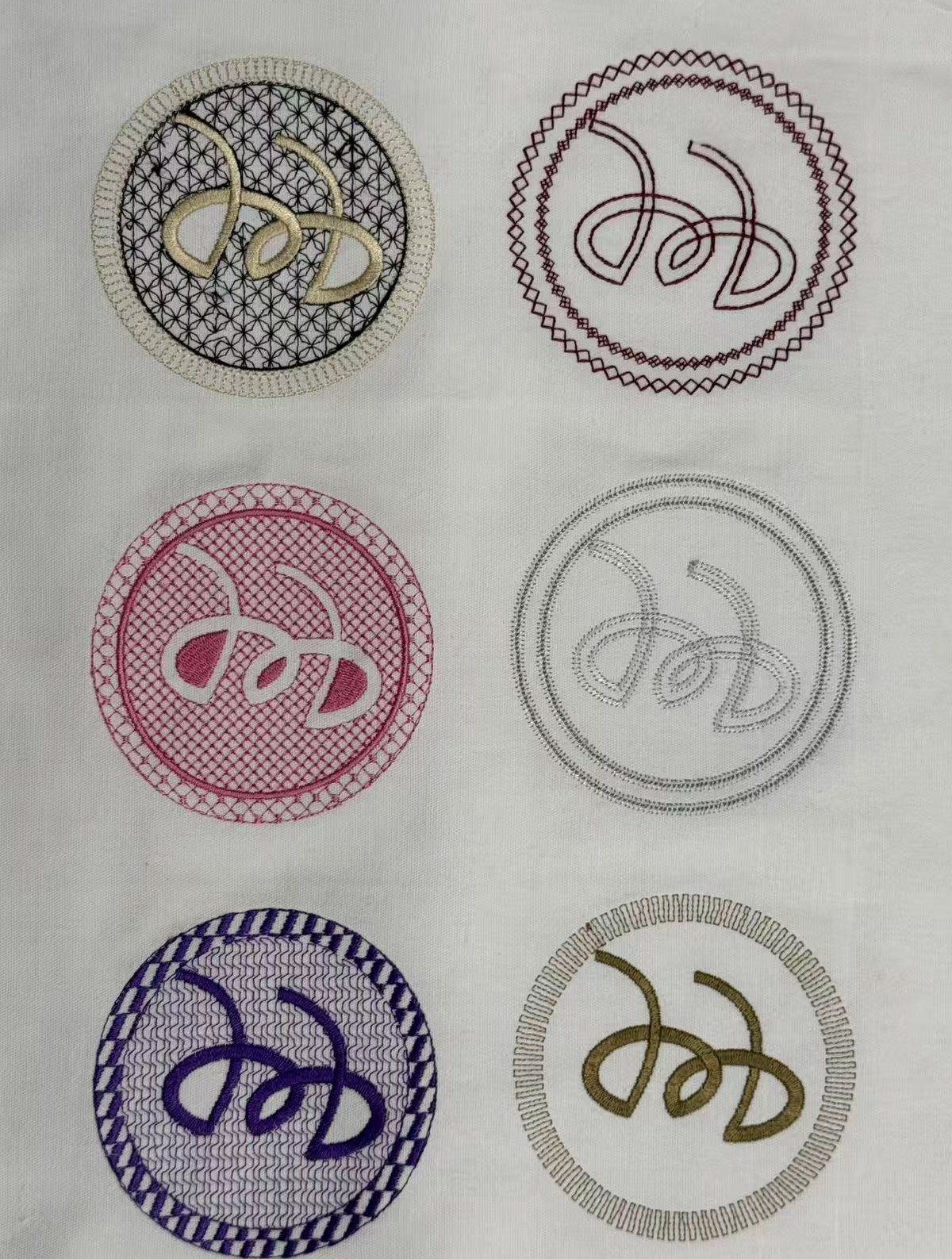
To show it, we stitched one small mark six ways. Same thread weight, same cotton canvas. Only the line and the fill changed.
How the outline is drawn decides whether a design looks sketched, bold, raised, or woven.
| Stitch | Level | Seen in | Pairs with | Try it on | |
|---|---|---|---|---|---|
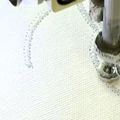 | Running stitch | Level 1 | the placement line under every design | tatami · fine detail | shirt pockets · totes |
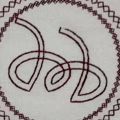 | Bean stitch | Level 1 | design 01 · the loops | no fill — let the cloth show | denim · canvas · linen |
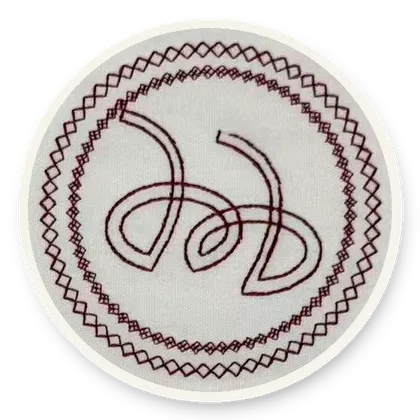
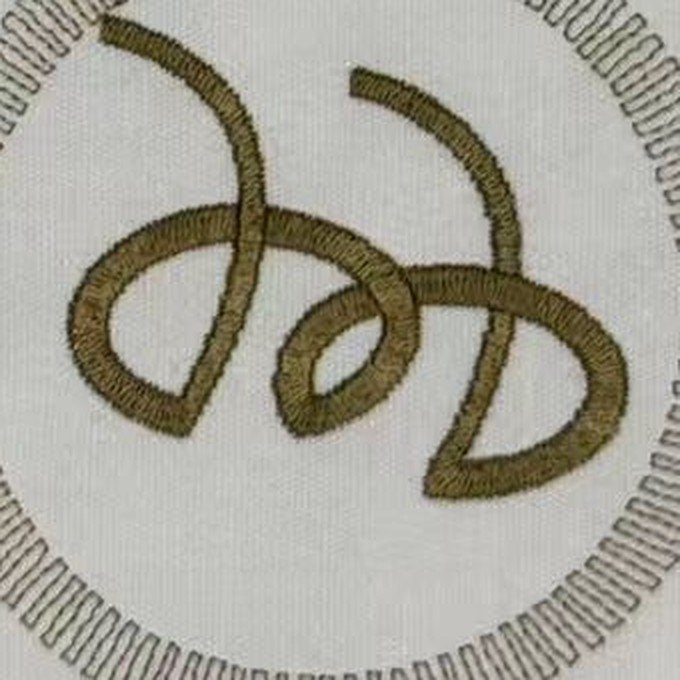
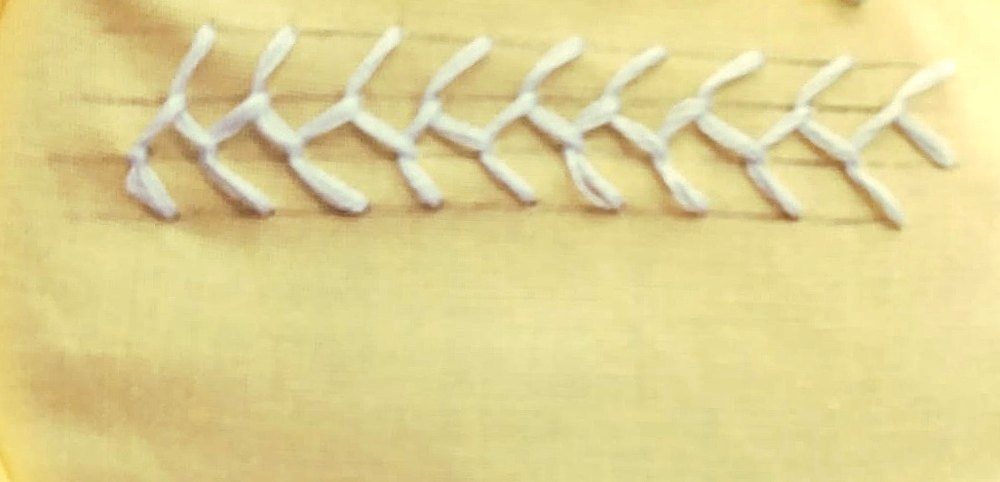
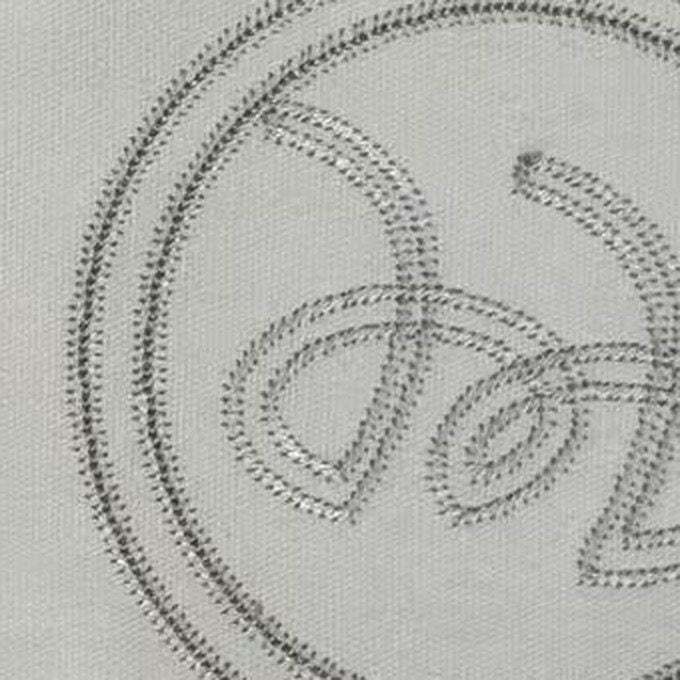
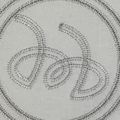 | Rope stitch | Level 2 | design 02 · the loops | matte thread · script, monograms | pillows · shirt cuffs |
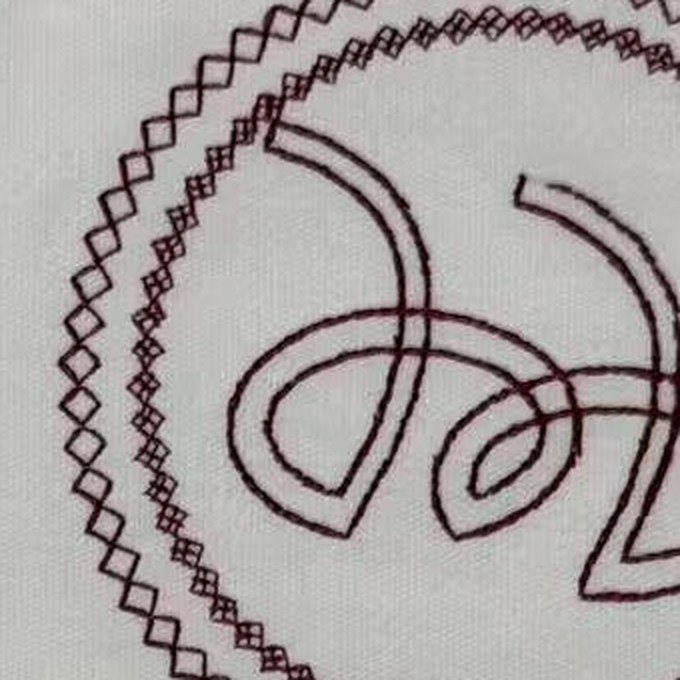
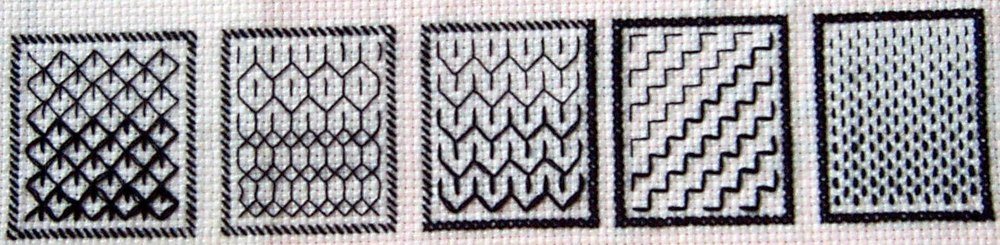
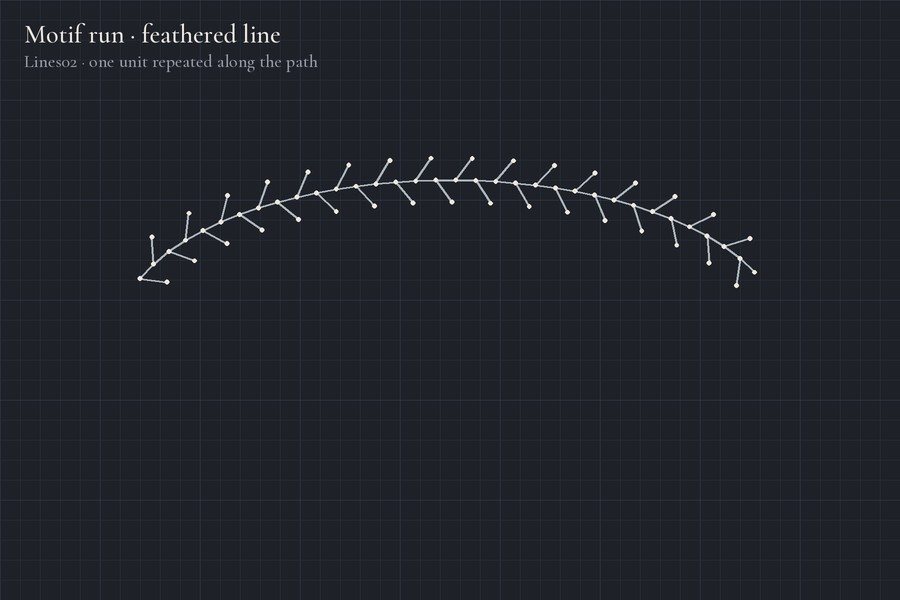
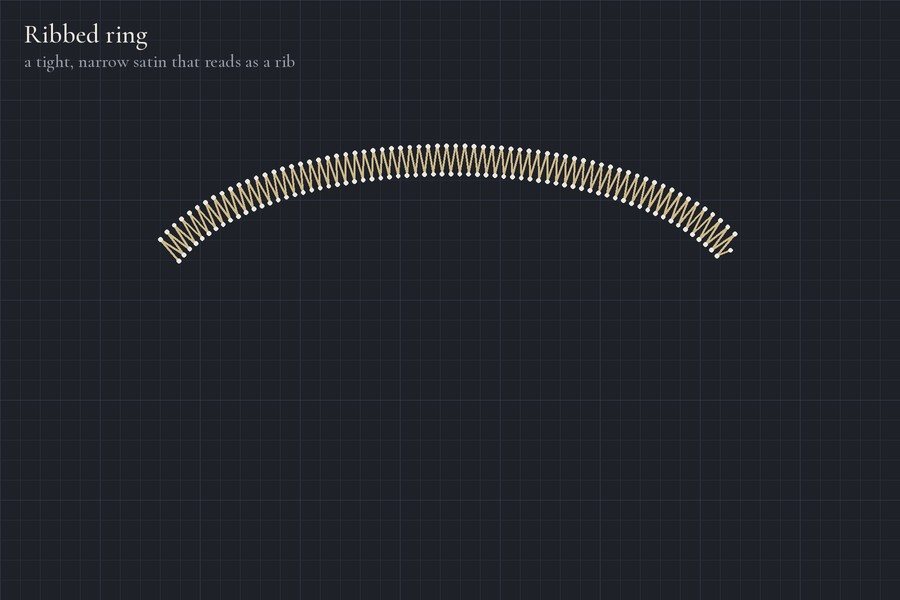
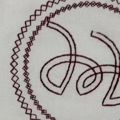 | Motif run | Level 2 | 01 kites, two sizes · 02 feathered lines · 03 squares · 04 ribbed loops | bean or rope centres · any ring | patches · napkin edges |
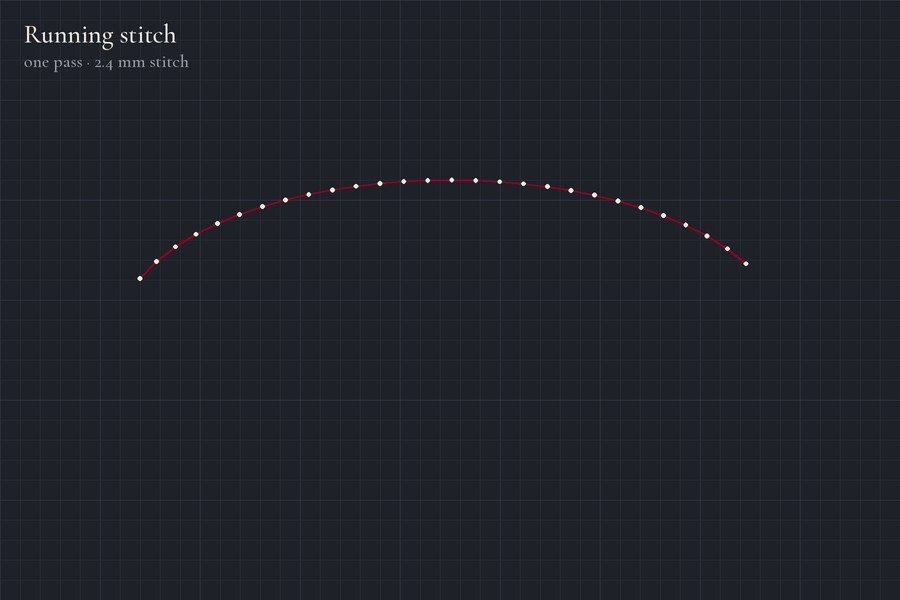
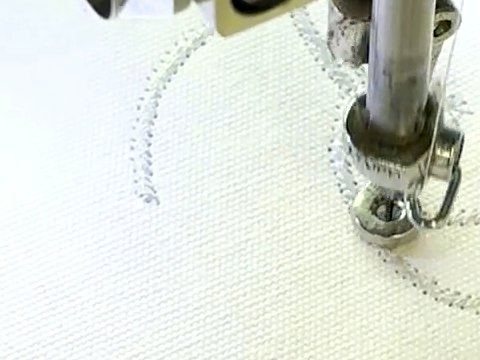

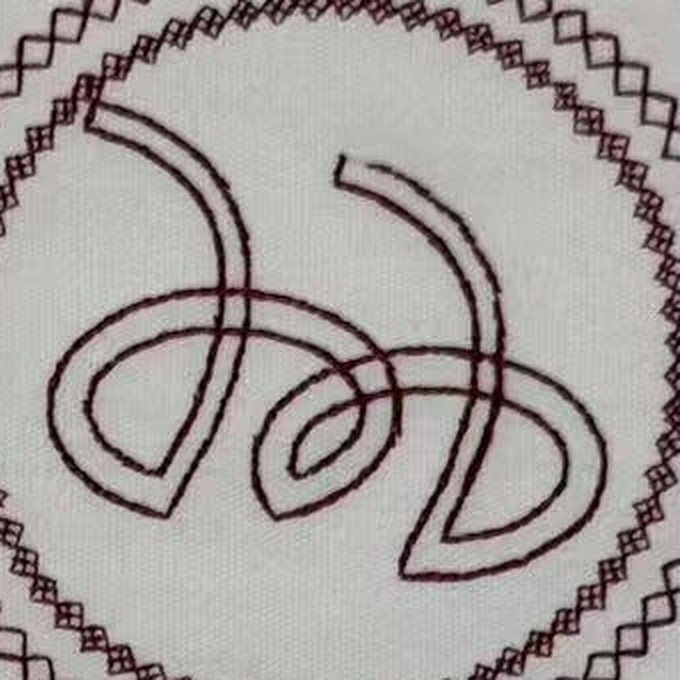
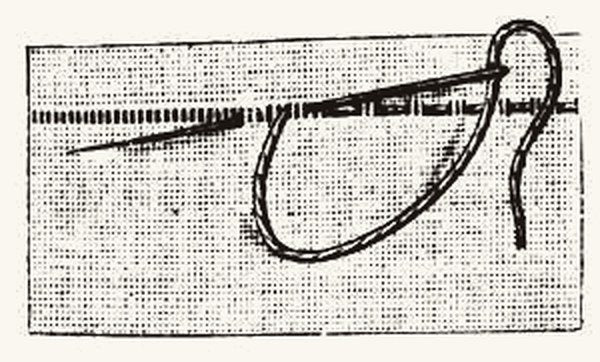
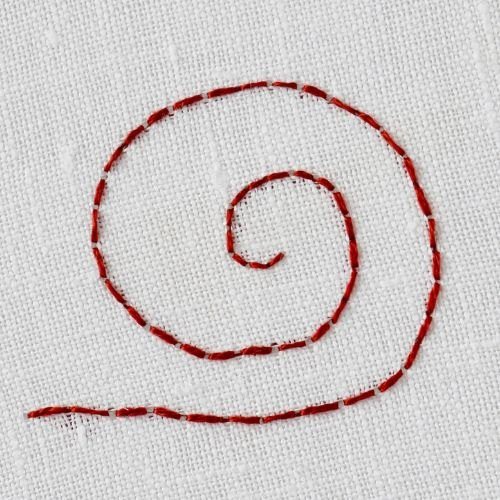 where it comes fromBack stitch — every stitch goes back over the last, so the line reads bolder. The bean stitch is the machine's back stitch.
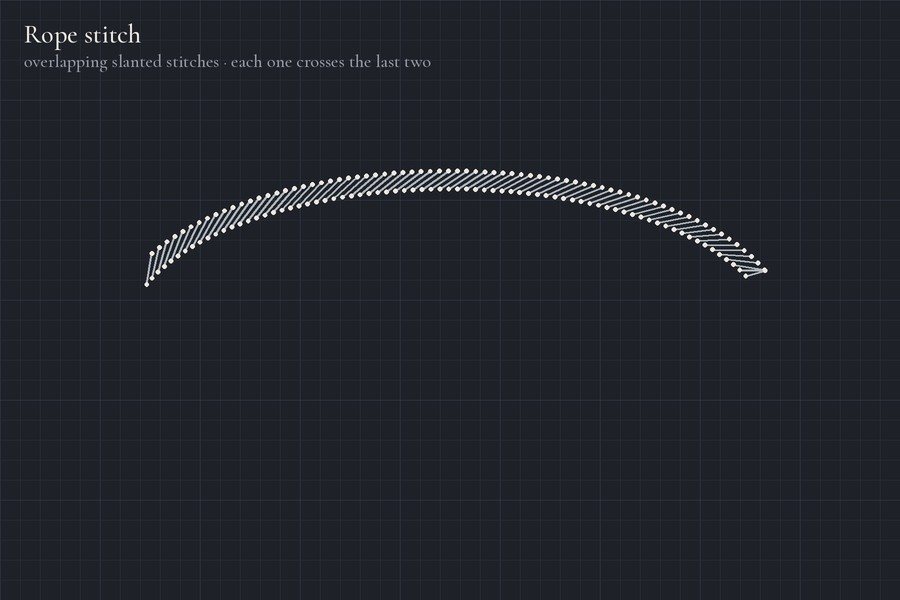
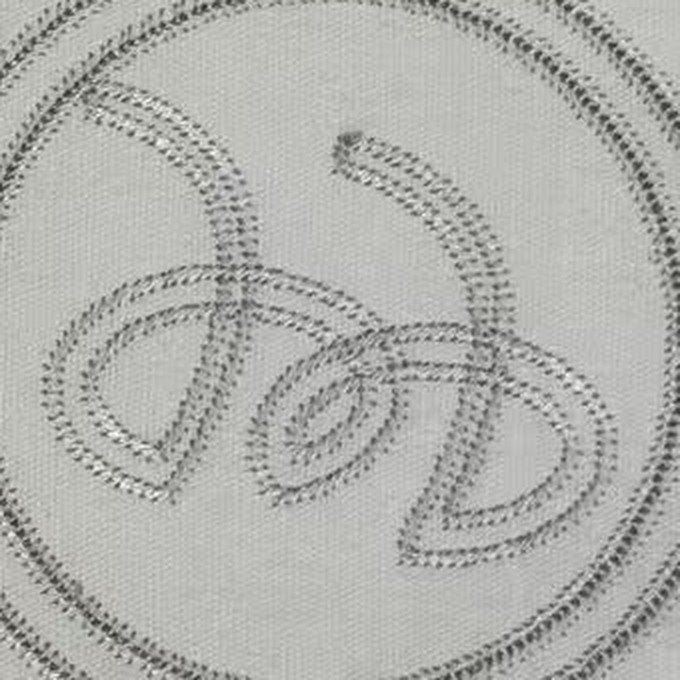
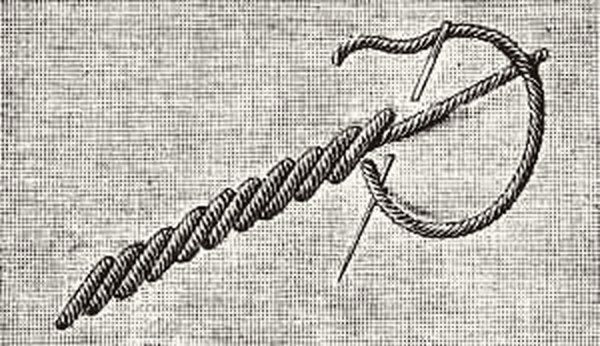
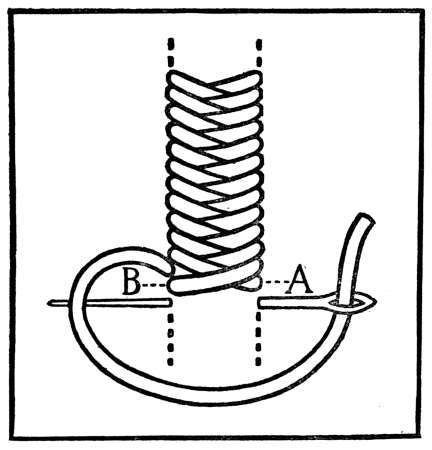
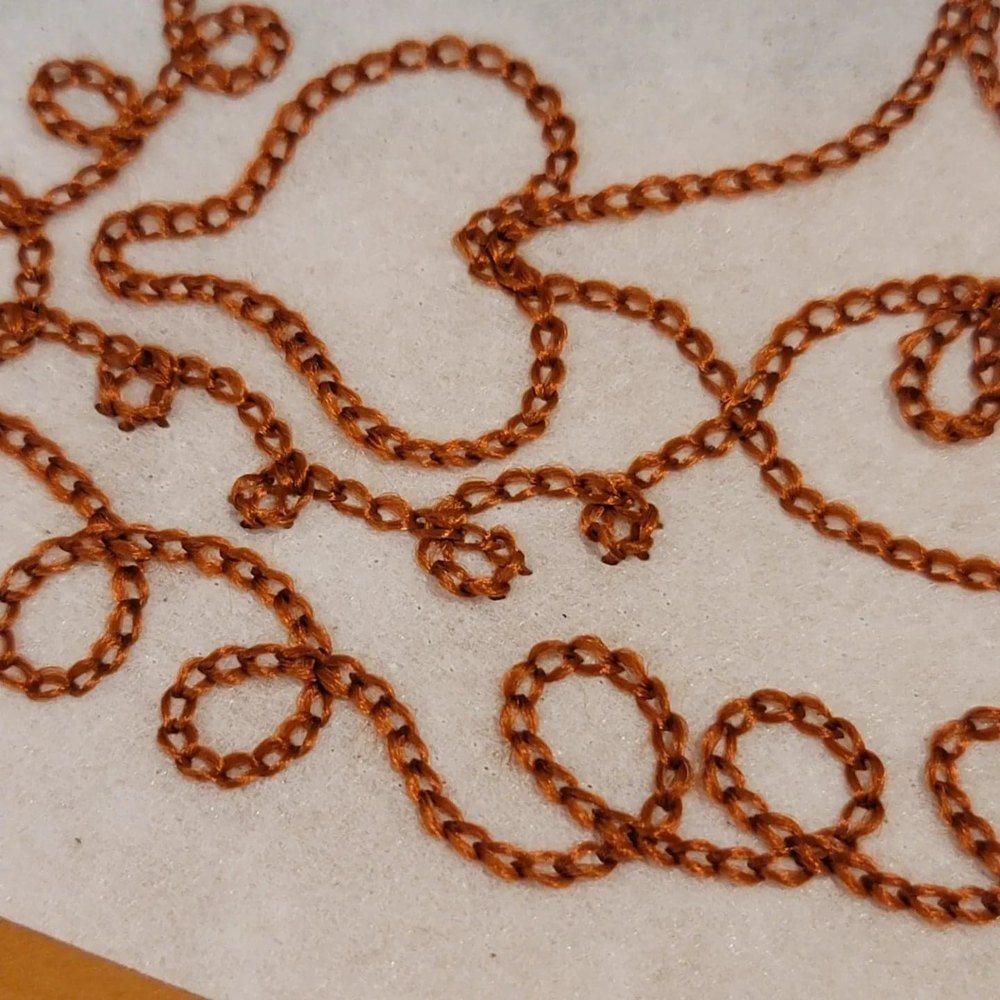 where it comes fromChain and stem stitch — a line built from small overlapping units so it stands up off the cloth like a cord.
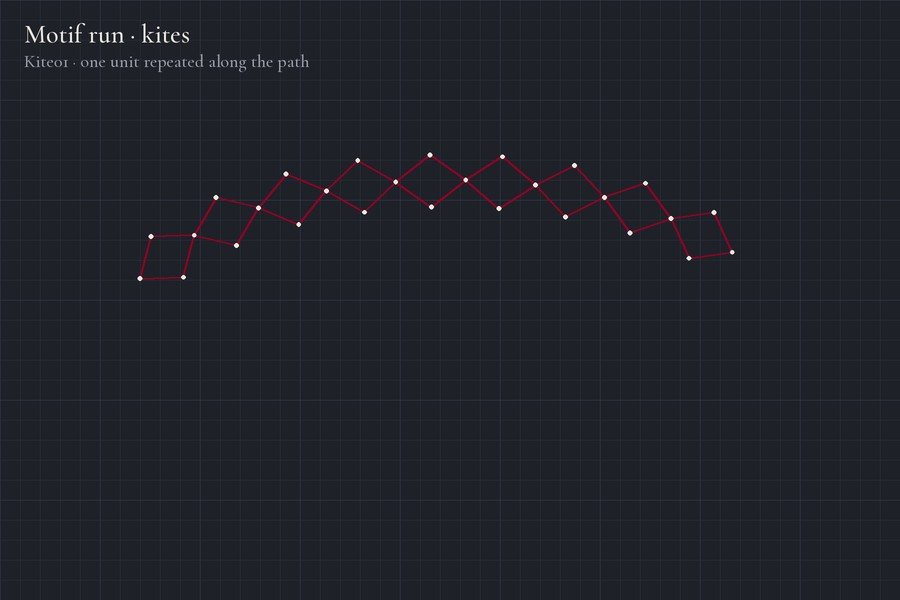
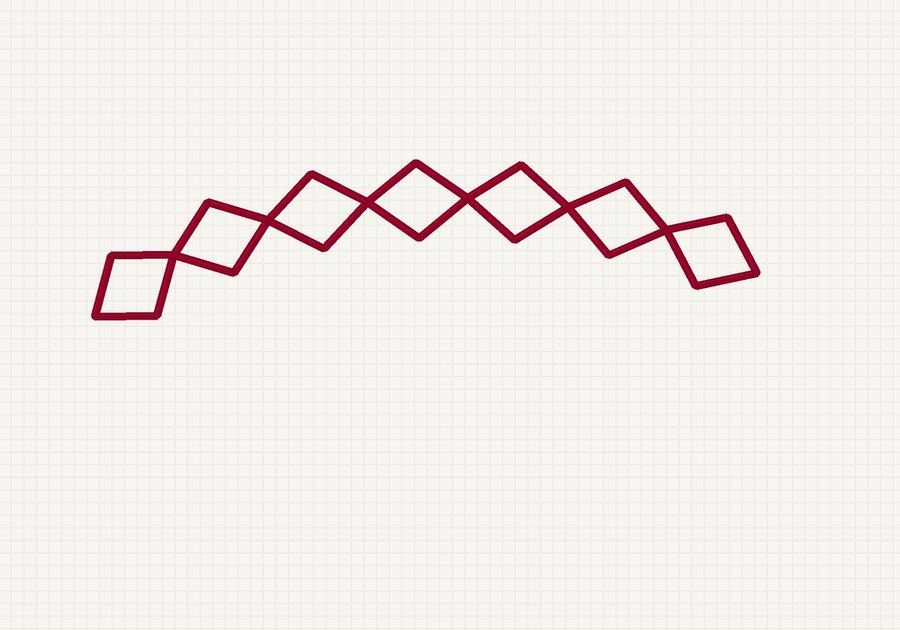

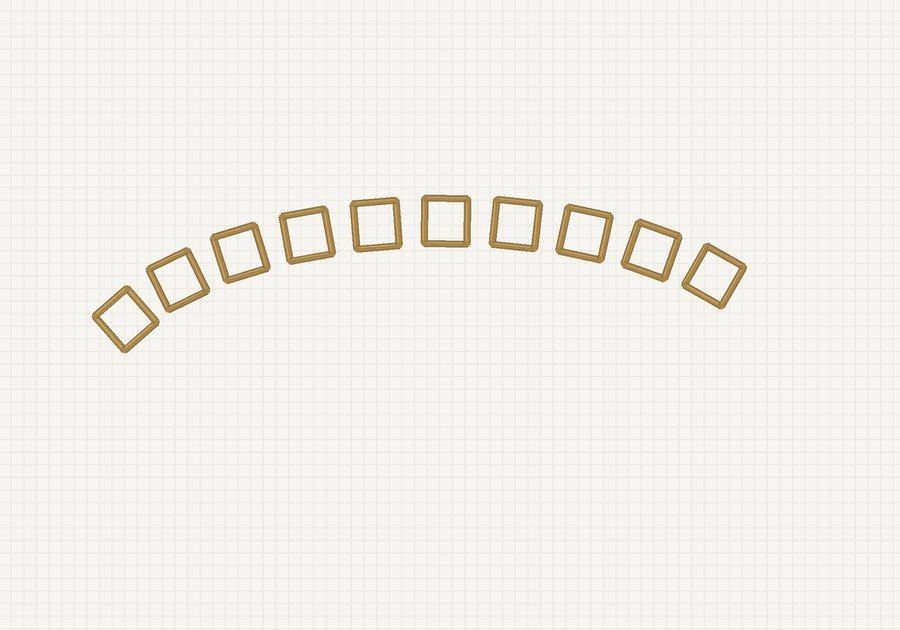
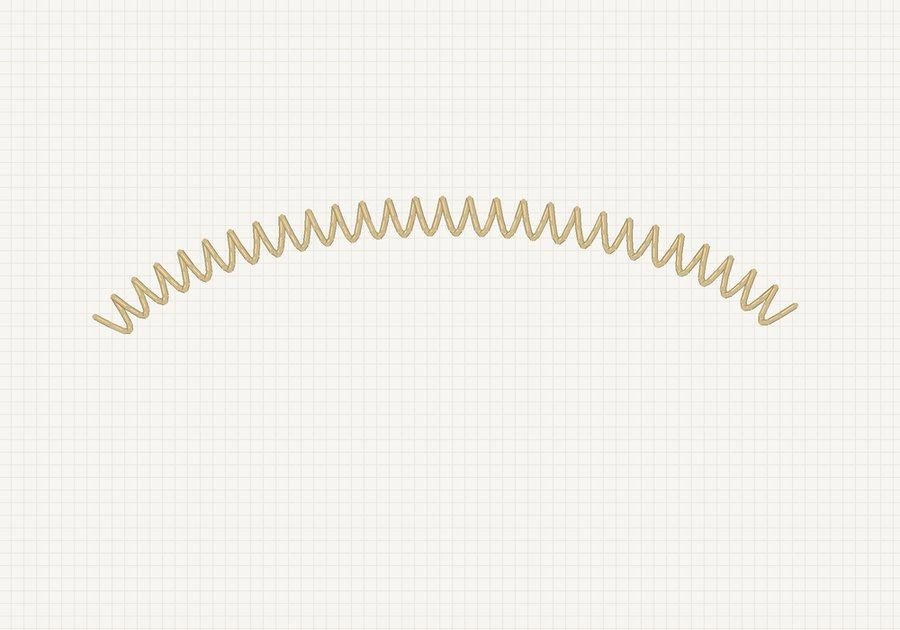
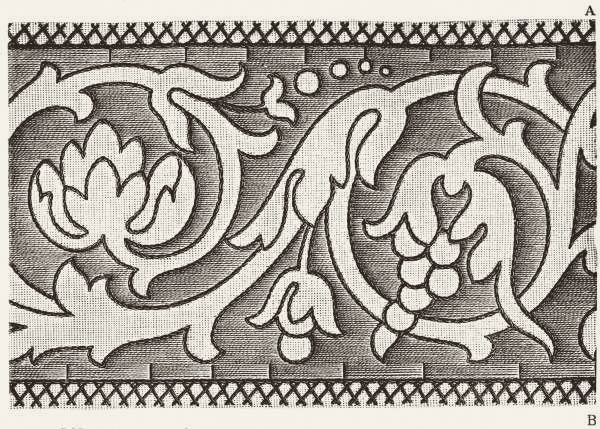
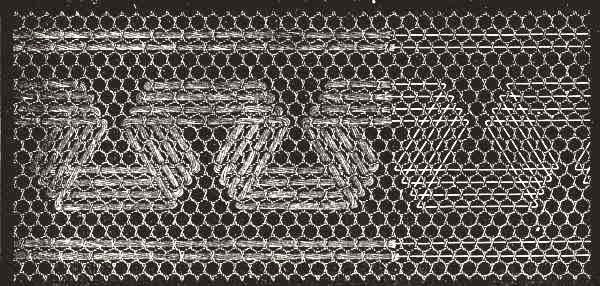
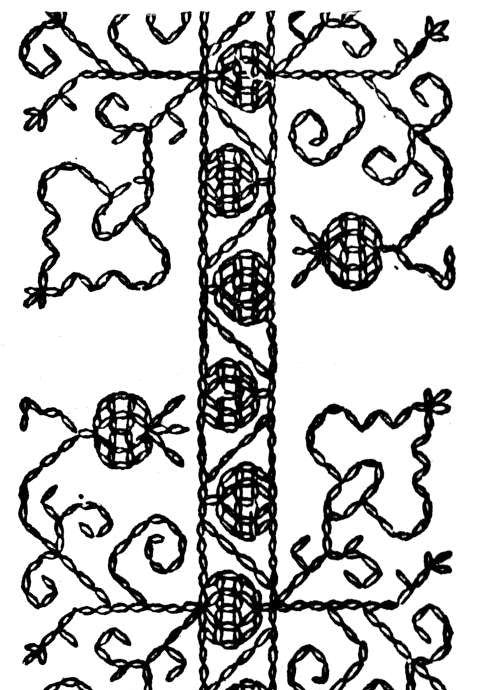 where it comes fromThe blackwork border — one unit repeated along a line, counted on the cloth.
A large area of one color is where a design goes flat. The fill decides whether it shines, softens, or hides a texture inside.
| Stitch | Level | Seen in | Pairs with | Try it on | |
|---|---|---|---|---|---|
 | Satin | Level 1 | 04 the loops · 05 the ring | tatami for big areas · a lattice underneath | caps · polos · patches |
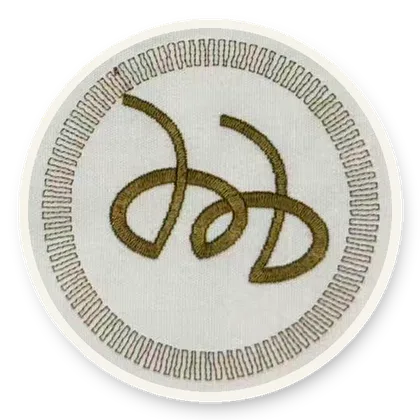
 | Tatami | Level 1 | 03 the loops · 05 the petals · 06 the loops | a satin edge · any outline | jackets · patches · anything large |
 | Motif fill | Level 2 | 04 star lattice · 05 kites, rings · 06 waves, stripes | satin on top · one strong color | pillows · tote panels · linen |
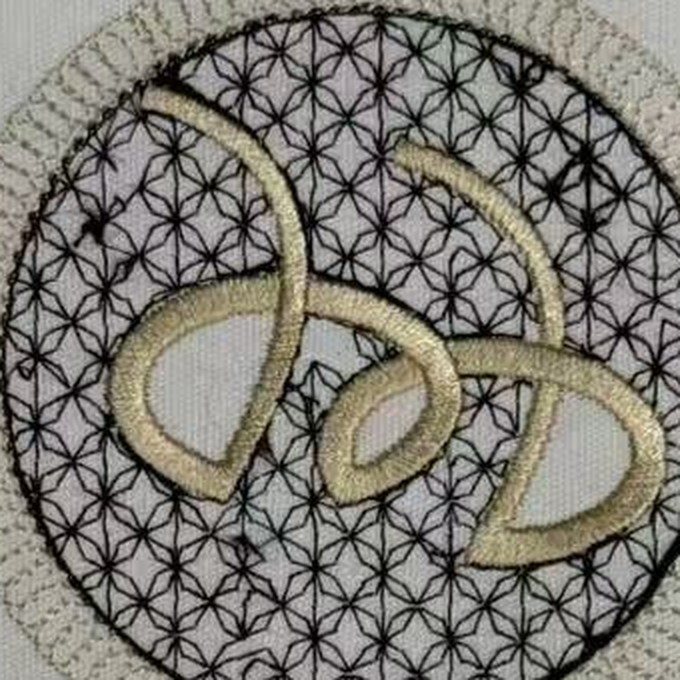
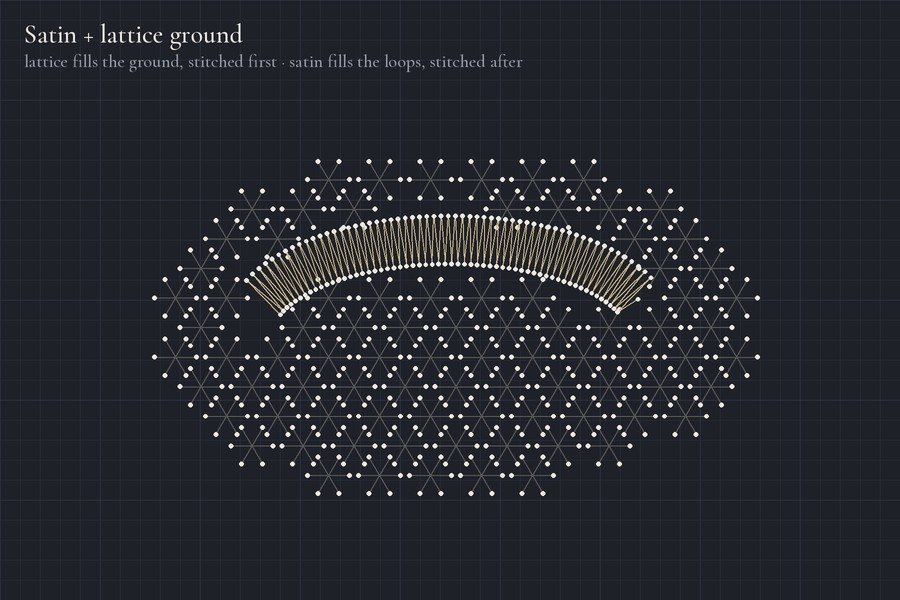
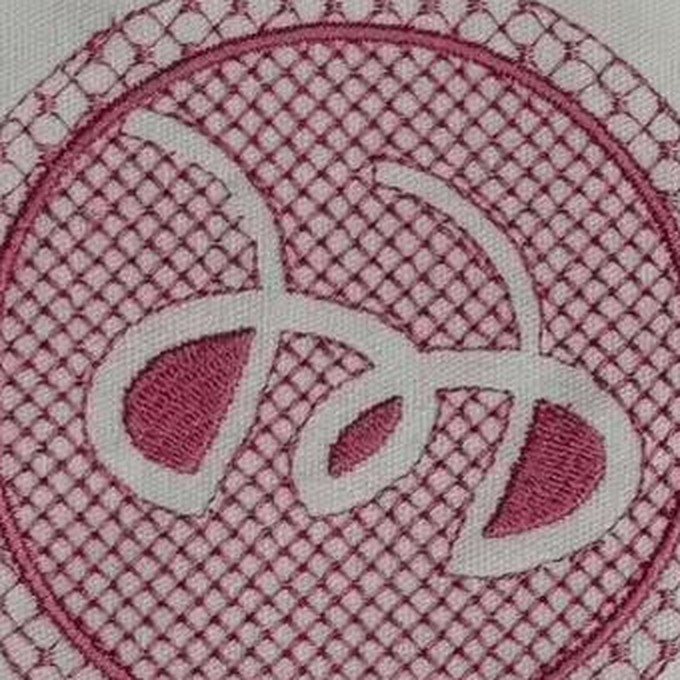
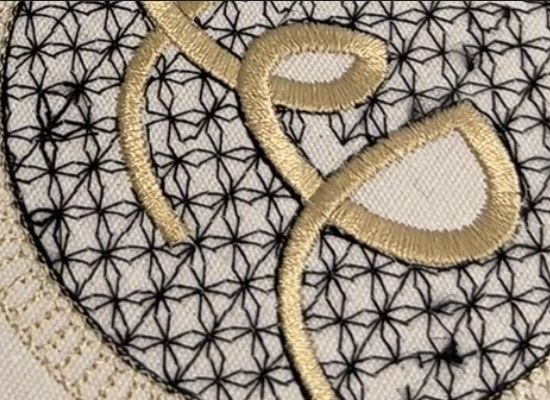
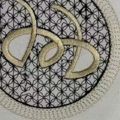 | Satin + lattice ground | Level 3 | design 04 | two threads, far apart in lightness | blazer patches · pillows · logos |
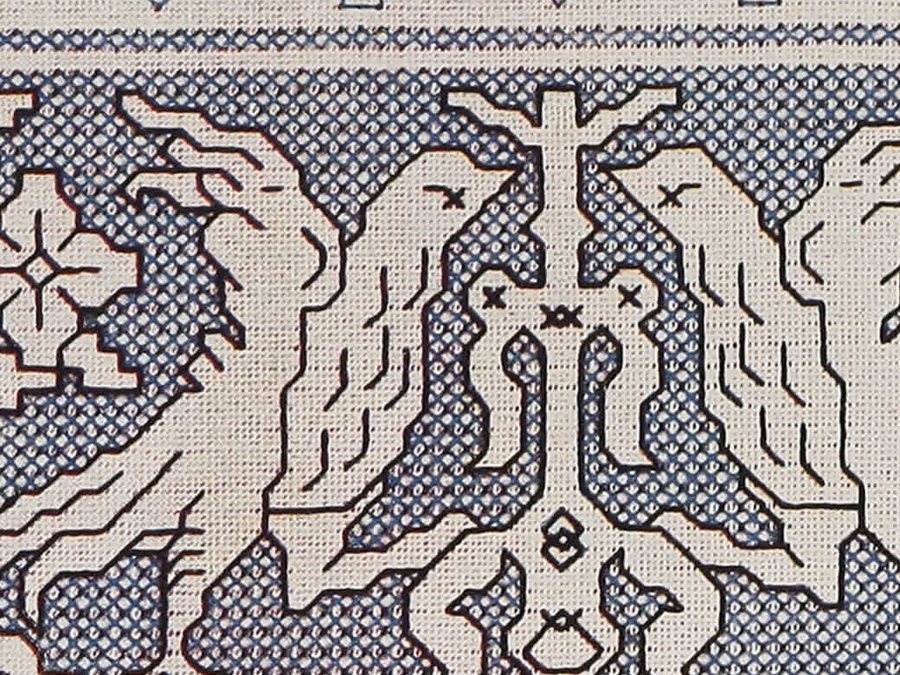
 | Negative-space fill | Level 3 | design 05 | one strong color · a satin ring | linen pillows · denim · heavy cotton |
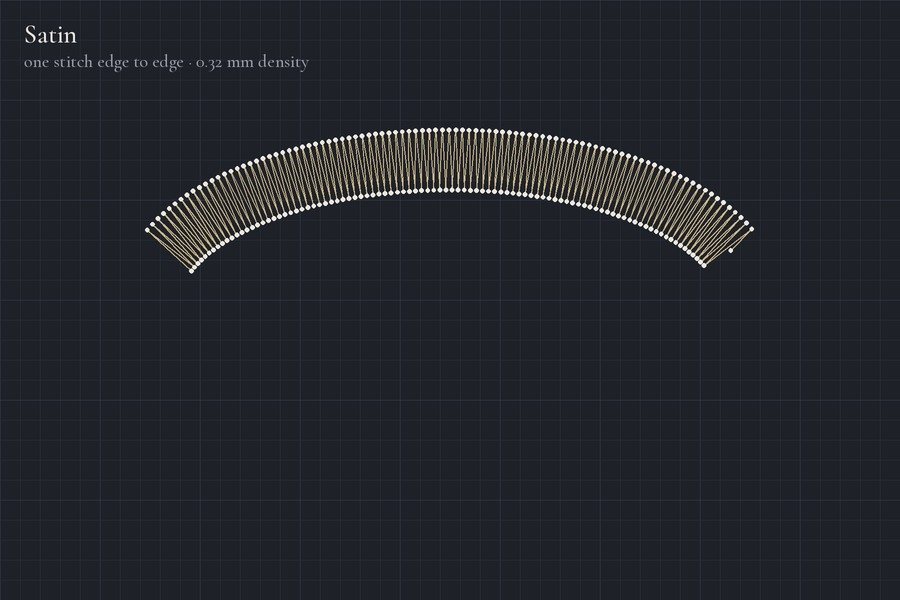
 where it comes fromEncroaching satin — rows of long stitches that overlap so a wide shape reads as one surface.
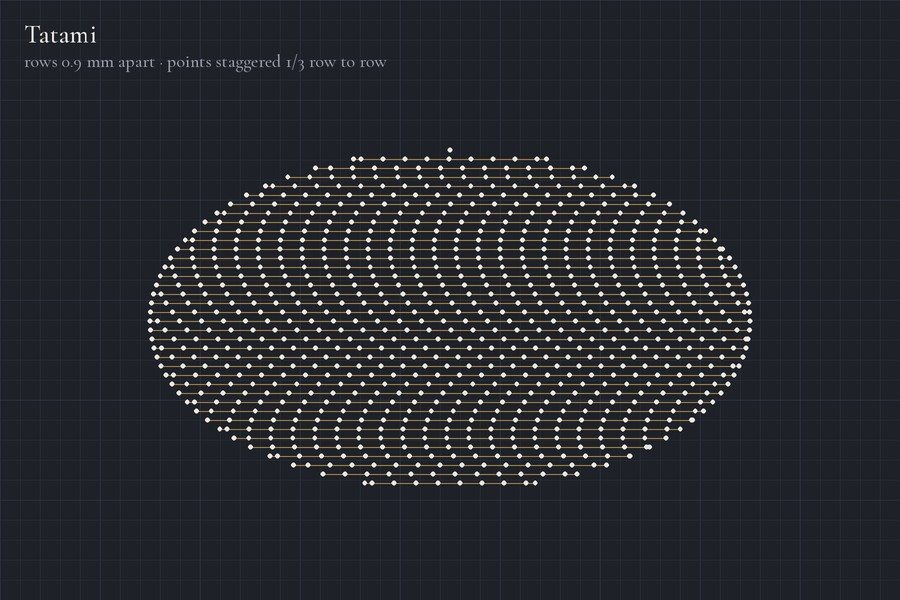
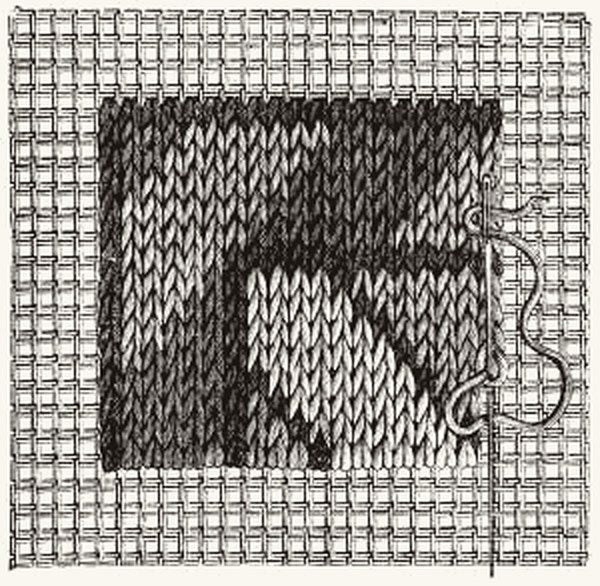
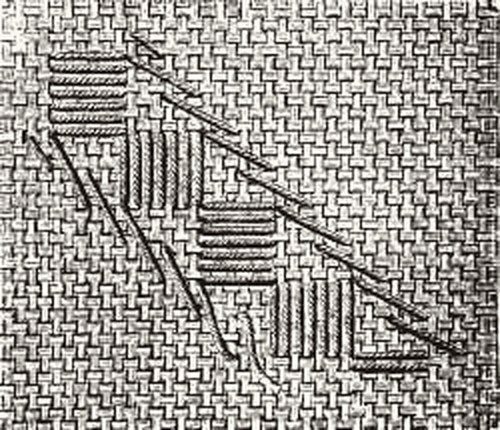
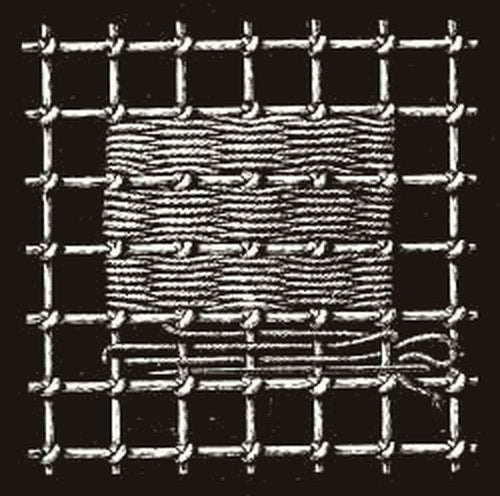 where it comes fromDarning stitch — rows of running stitch, staggered, until the cloth is rebuilt. Tatami is darning by machine.
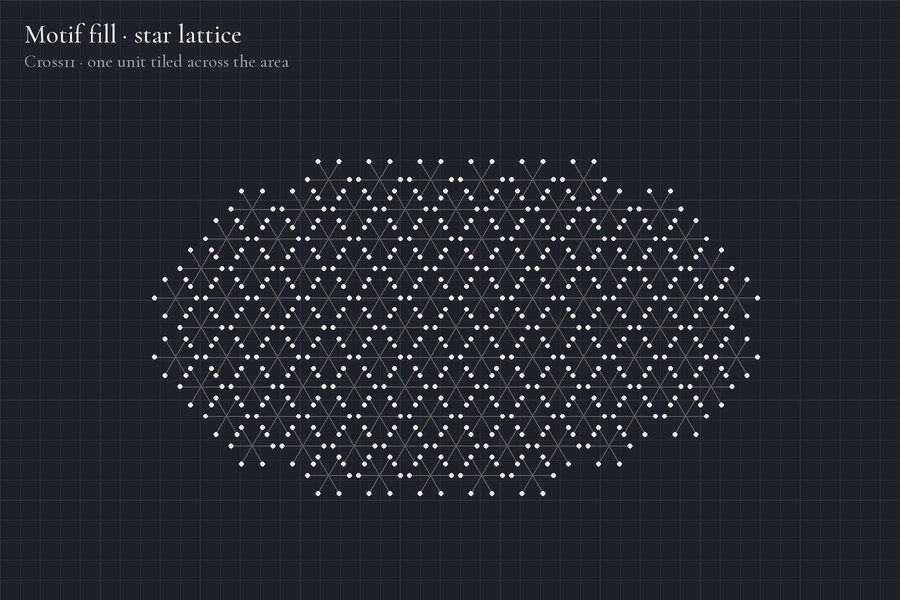
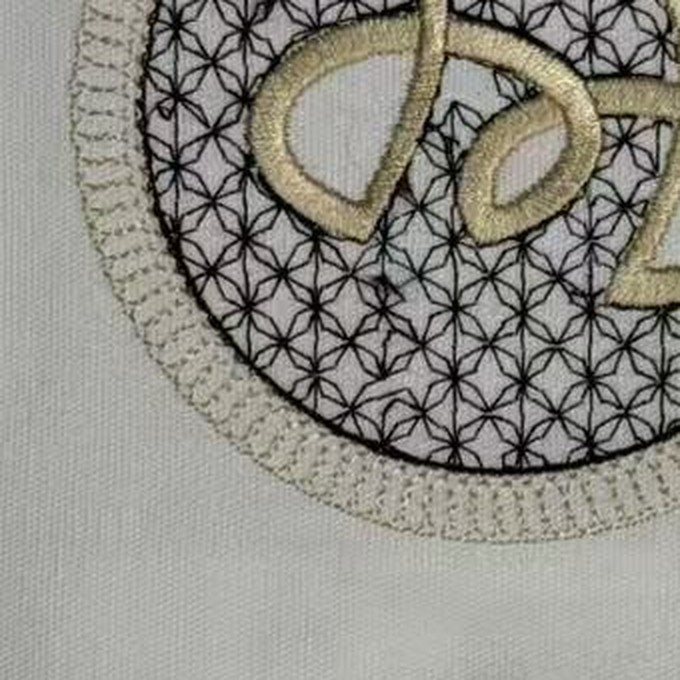
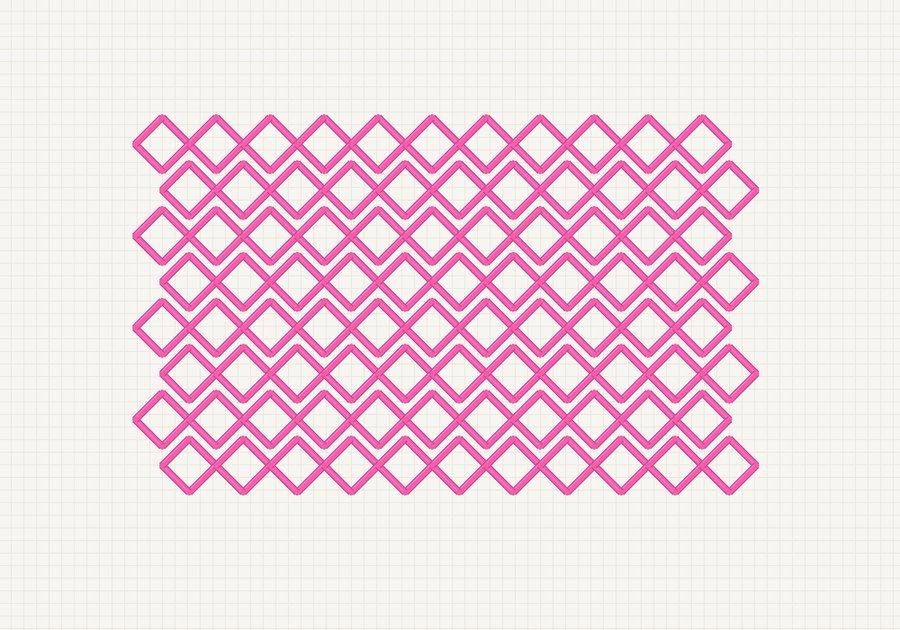
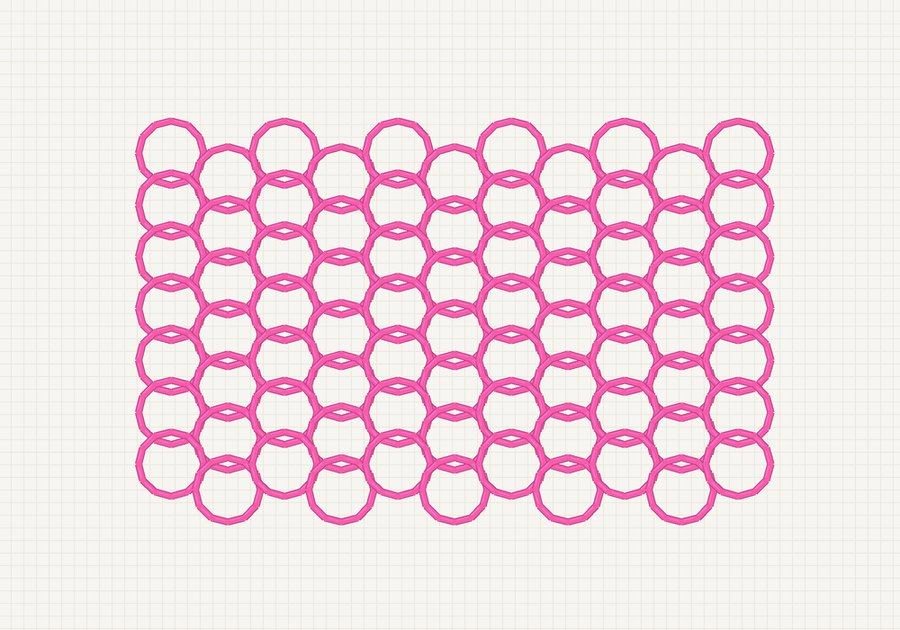
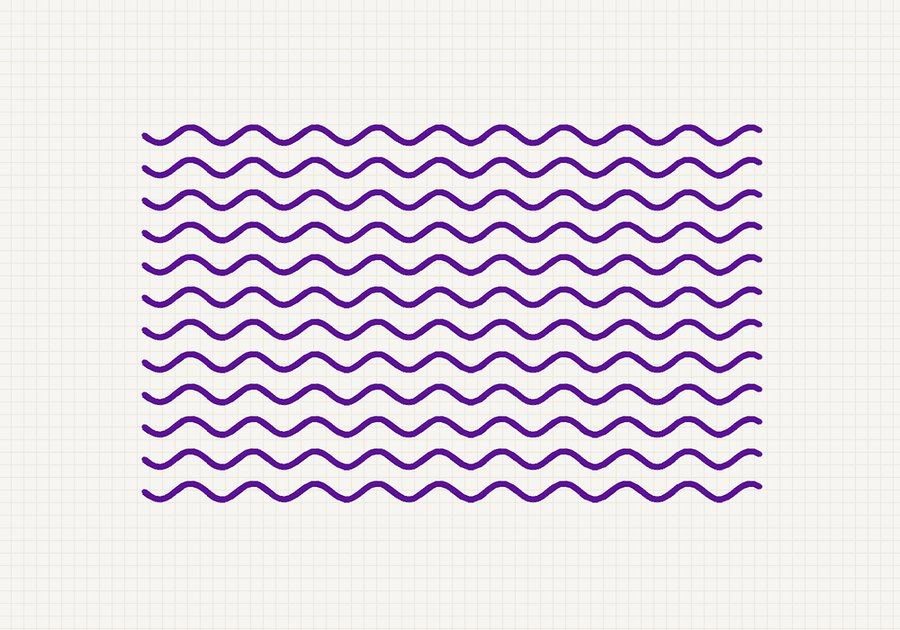
 where it comes fromLattice ground and damask darning — a star net counted over the cloth, a pattern made of running rows.

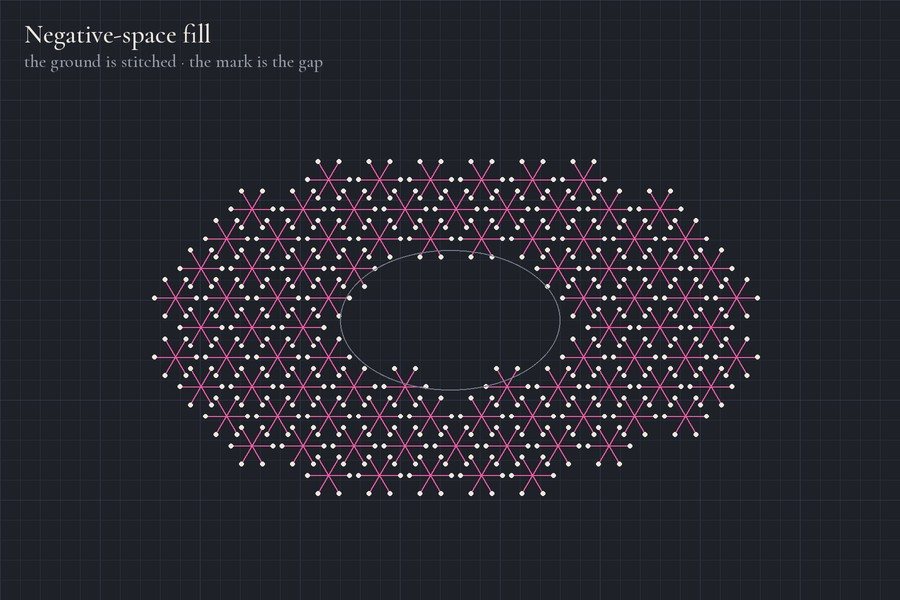
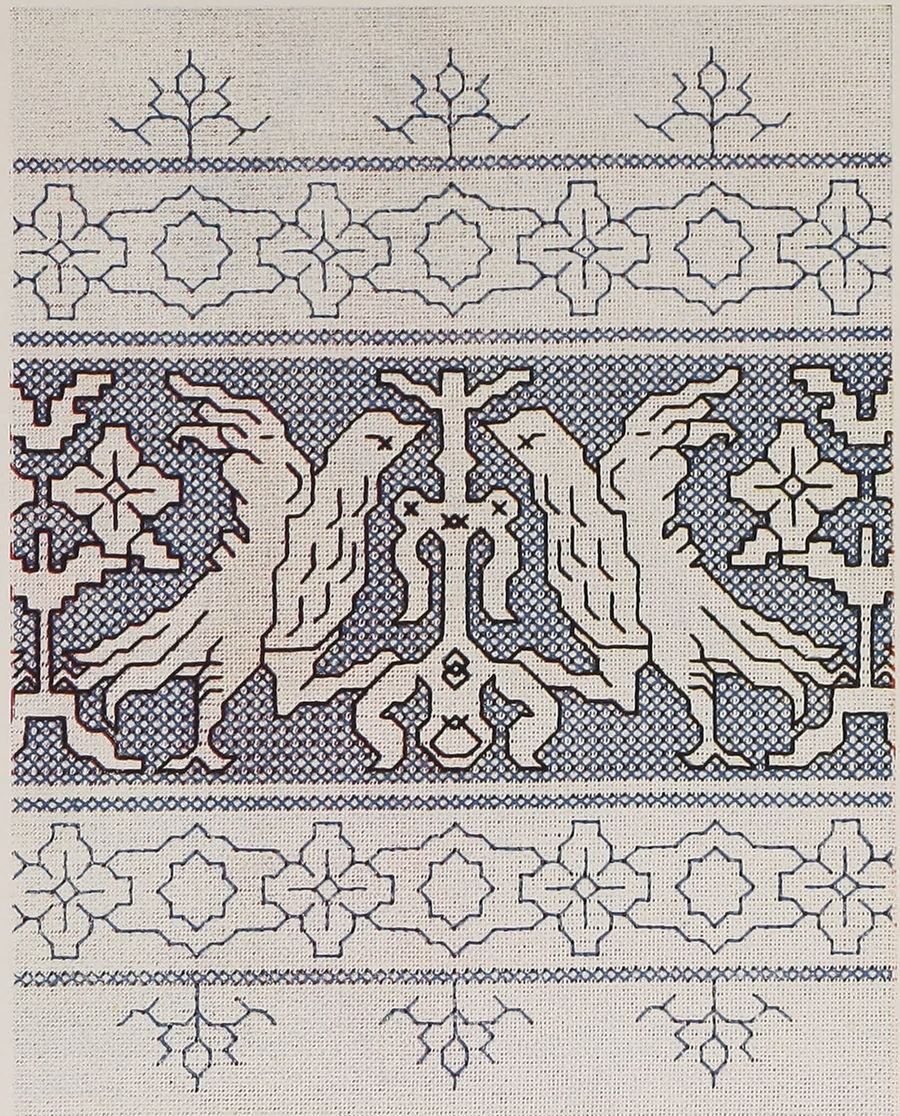 where it comes fromAssisi work, central Italy — the motif left as plain linen, only the ground stitched.
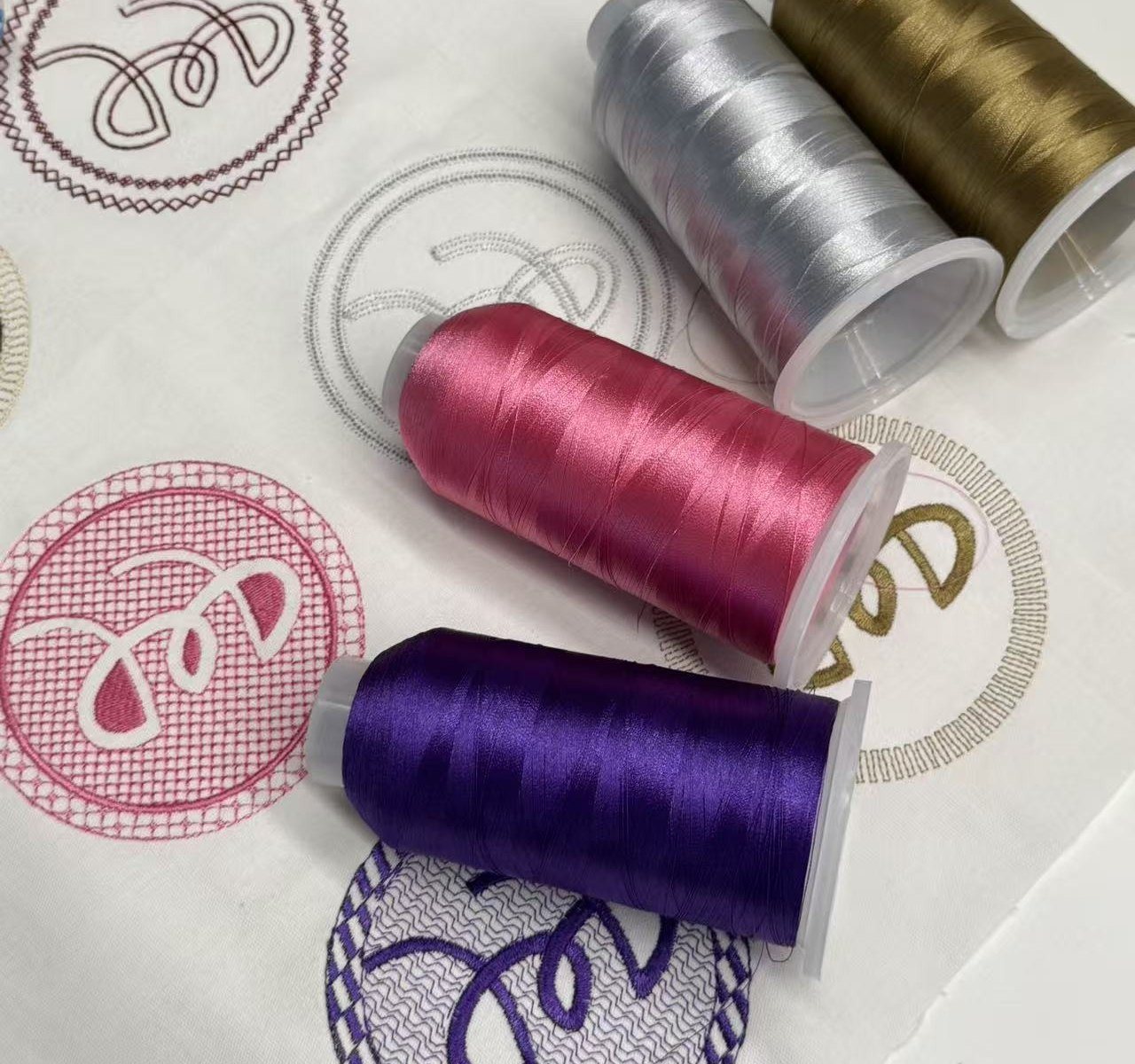
One mark, six line-and-fill decisions. The numbers match the studio's stitch sheets.
| Design | Line and fill | Thread | |
|---|---|---|---|
 | 01 Drawn. | Bean stitch · Motif run, small kites · Motif run, large kites | 5048 Zinfandel · one thread |
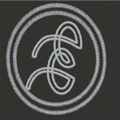 | 02 Laid. | Rope stitch · Motif run, feathered lines · Same motif, run three times | 5553 Pearl Blue · one thread |
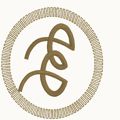 | 03 Solid. | Tatami · Square motif | 5470 Honey Brown · one thread |
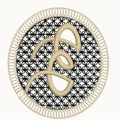 | 04 Two fills. | Satin · Motif fill, star lattice · Ribbed loops | 5183 Warm Putty + 5005 Black · two threads |
 | 05 Cut out. | Tatami · Motif fill, kites · Satin · Motif fill, rings | 5017 Fuchsia Rose · one thread |
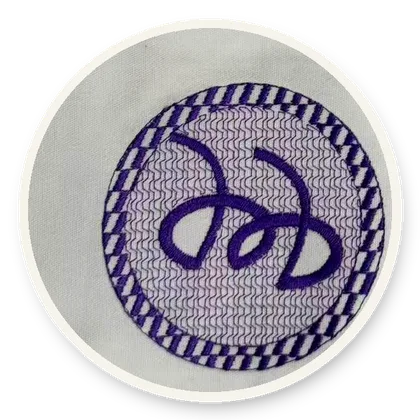
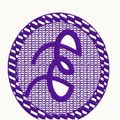 | 06 Covered. | Tatami · Motif fill, waves · Motif fill, diagonal stripes | 5246 Deep Indigo · one thread |
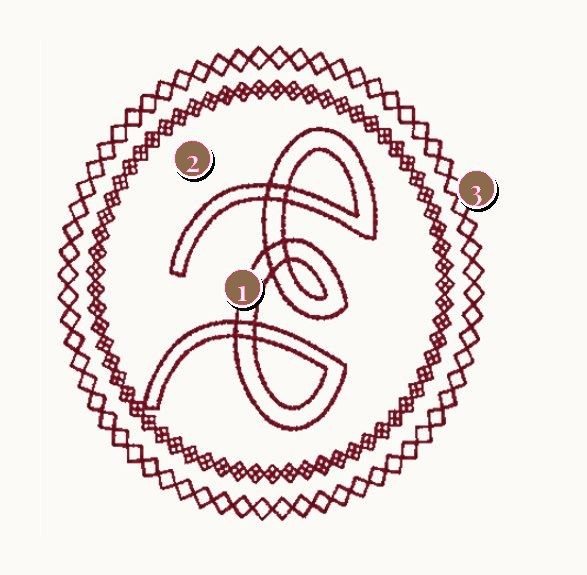
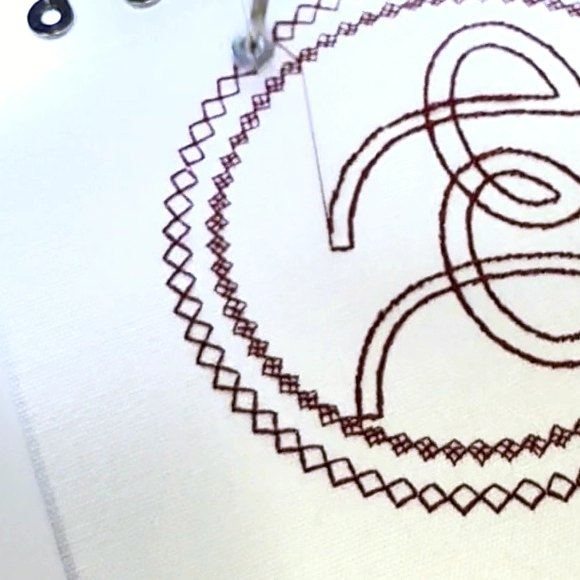
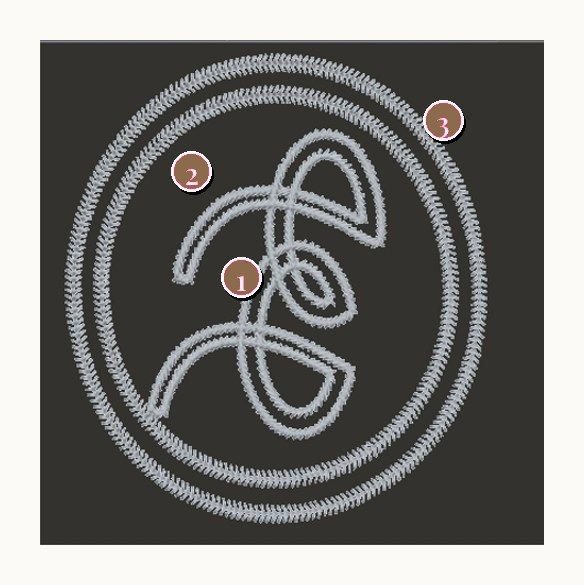
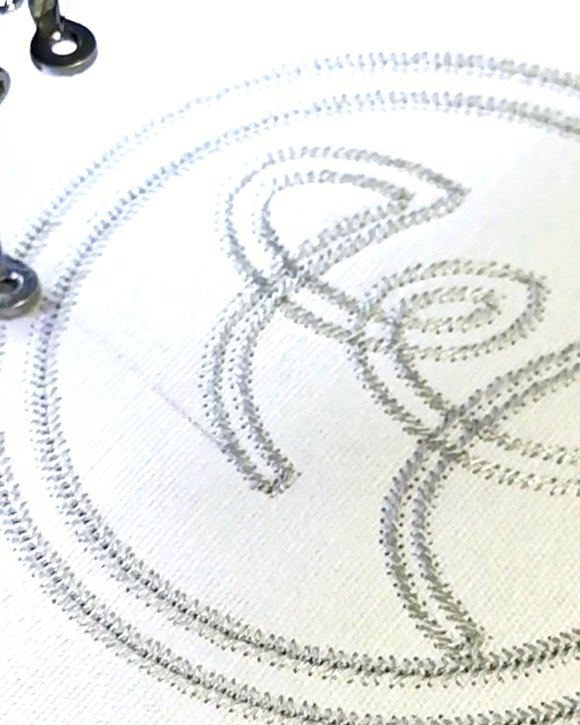
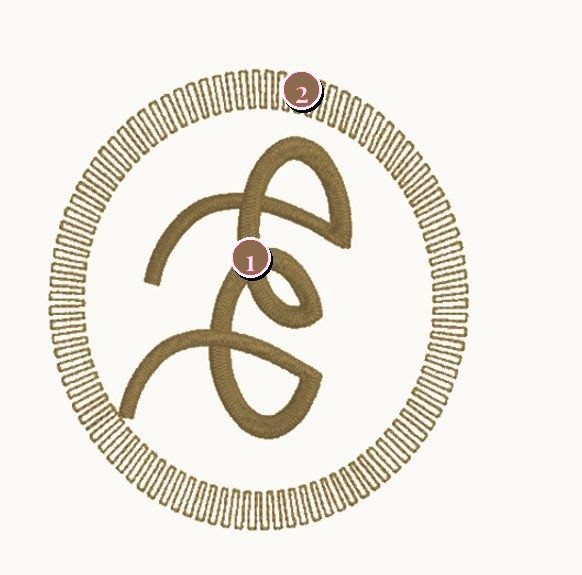
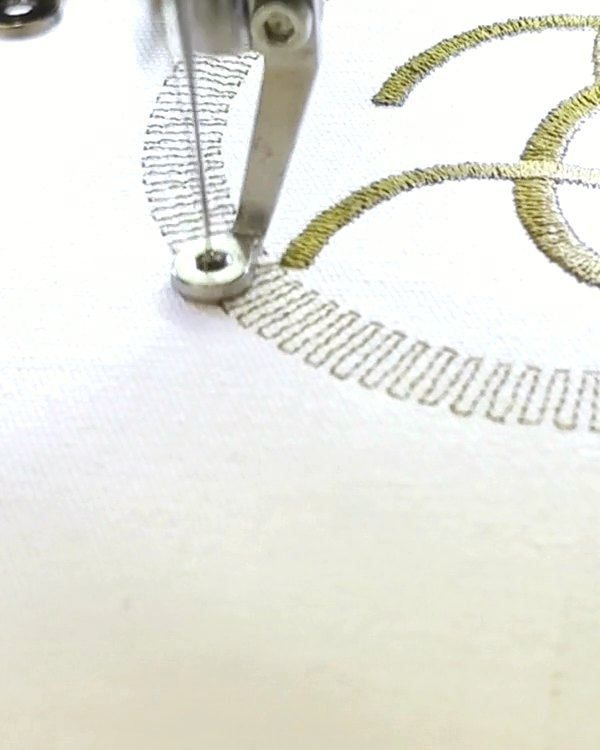
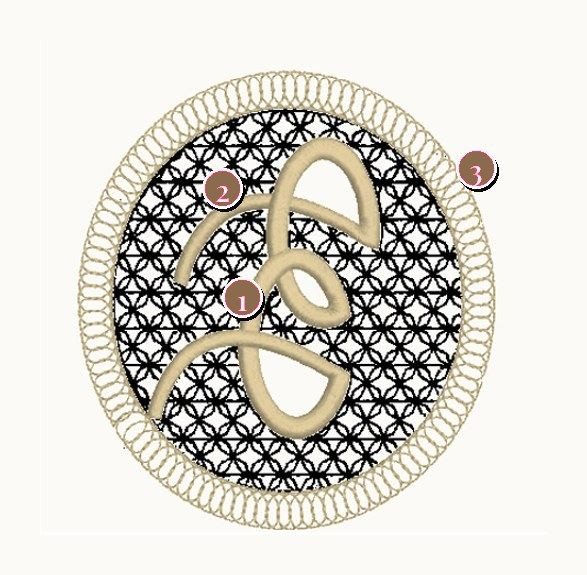
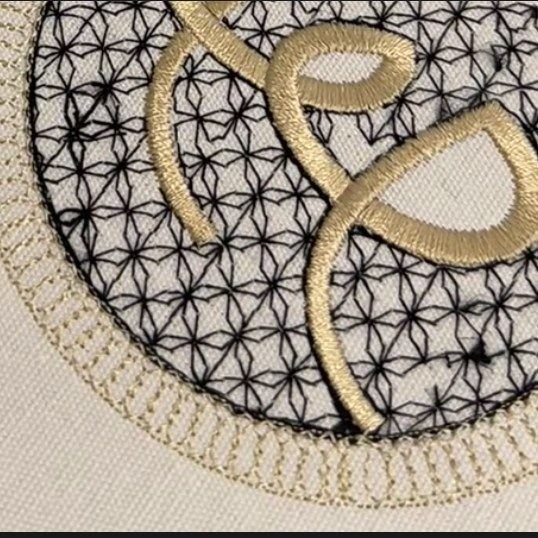
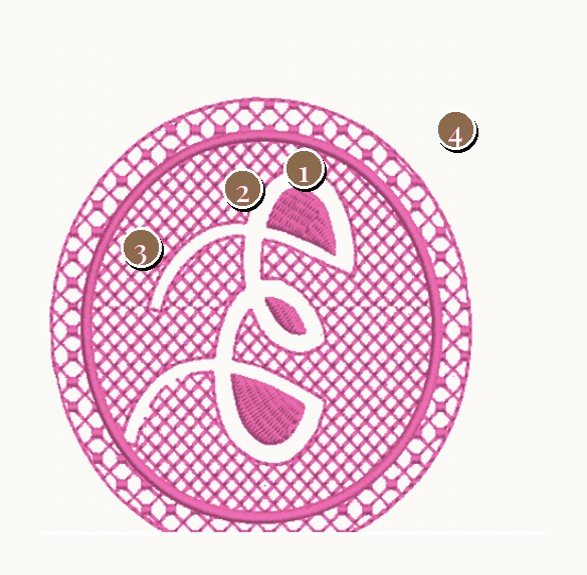
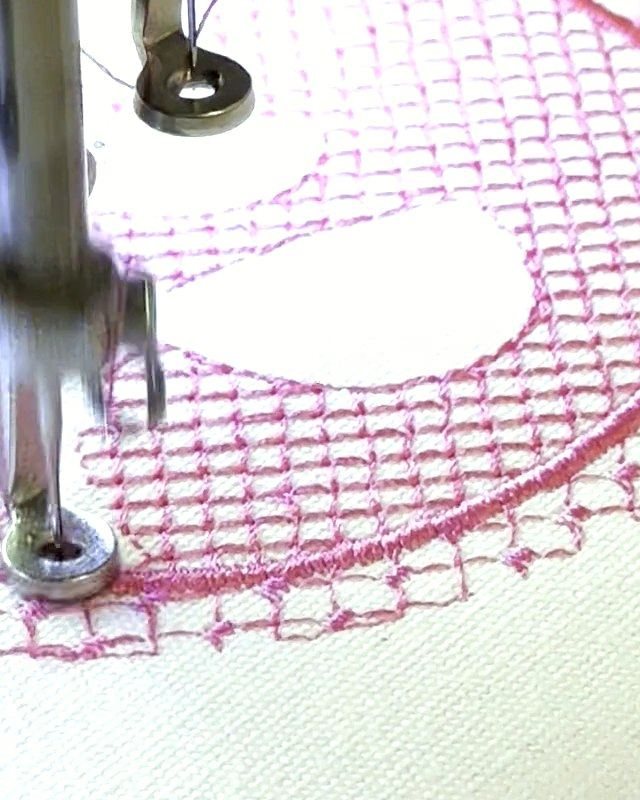
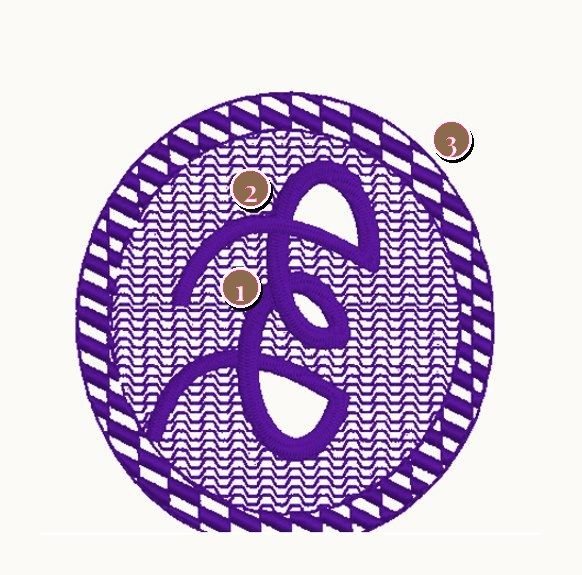
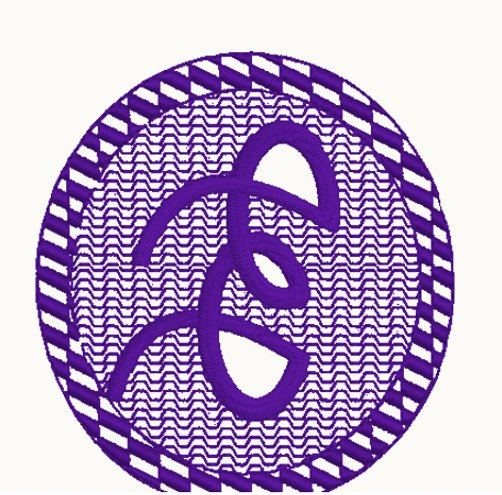
Every design here is a thread against cotton canvas — so the canvas is always the second color. Two rules decided the six.
A single thread on cream works when the thread's lightness suits the technique: dark for a thin line, mid-tone for a solid fill, vivid when the ground is the design.
When a line sits on a fill, the two must be far apart in lightness or the line dissolves. Hue matters less than the gap.
The same thread reads brighter in satin and calmer in tatami. Choose the stitch with the color.

Design 02 is pale thread on pale cloth — nothing but the rope's twist and the thread's sheen carry it.

Squint, or turn the photo to black and white. If the line still separates from the fill, the pairing holds.
| Pillows | Caps | Denim | Patches | Linen | Knits | |
|---|---|---|---|---|---|---|
| Running stitch | ✳ | · | ✳ | · | ✳ | · |
| Bean stitch | ✳ | ✳ | ✳ | ✳ | ✳ | · |
| Rope stitch | ✳ | · | · | ✳ | ✳ | · |
| Motif run | ✳ | · | ✳ | ✳ | ✳ | · |
| Satin | ✳ | ✳ | ✳ | ✳ | · | ✳ |
| Tatami | ✳ | ✳ | ✳ | ✳ | · | ✳ |
| Motif fill | ✳ | · | · | ✳ | ✳ | · |
| Satin + lattice ground | ✳ | · | · | ✳ | · | · |
| Negative-space fill | ✳ | · | ✳ | · | ✳ | · |
Every machine stitch here has a hand-embroidery ancestor. For each one: the hand stitch, the digitized stitch view (every needle point, how the stitch is built), and our sew-out.


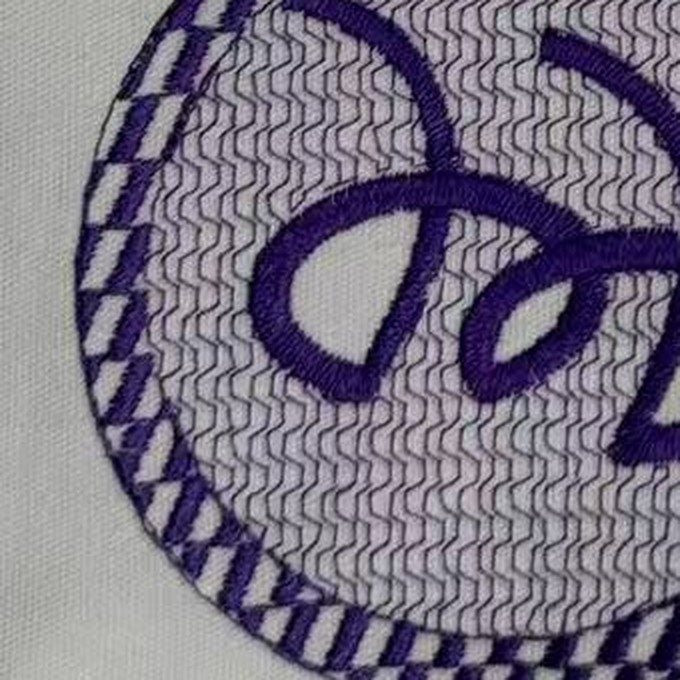

One day at the machine. Cotton canvas, 40wt thread throughout, one cone per design — two for the fourth.